Rosa Schulz · 29 October 2026
Navigating Market Volatility Through Integrated Intelligence Feeds in Analytics Software
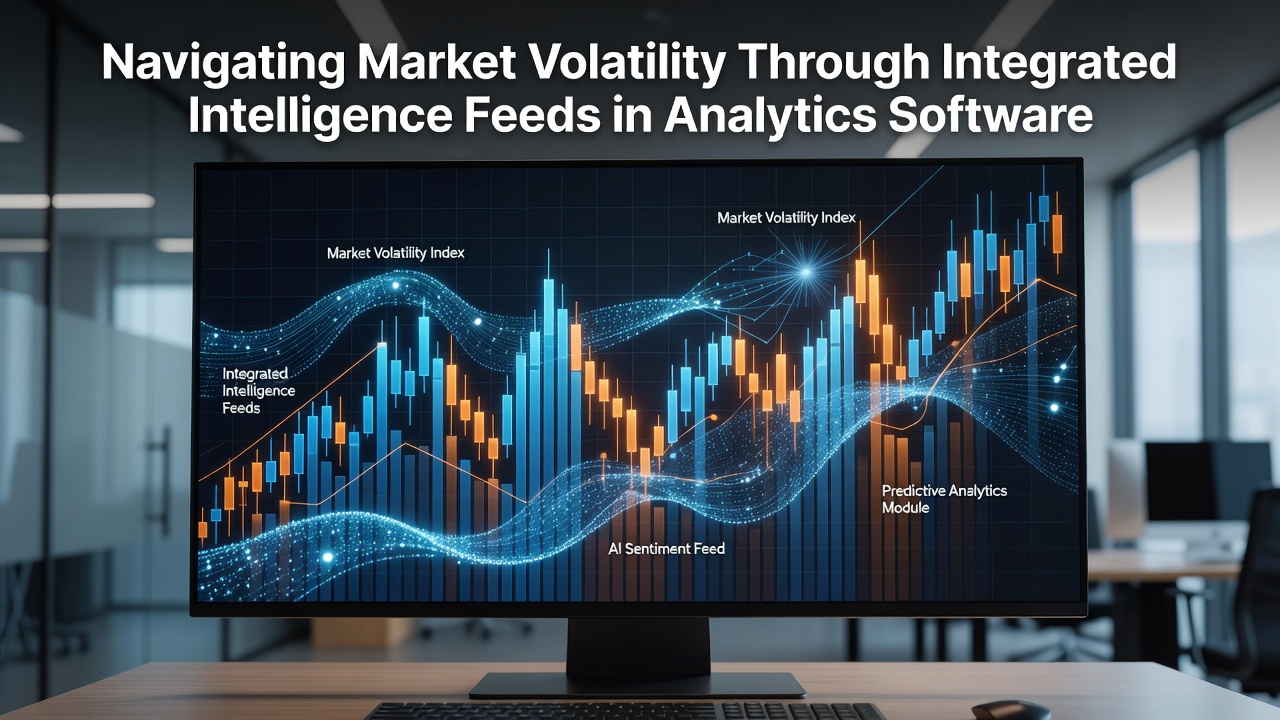
Market volatility often stems from rapid shifts in economic indicators, geopolitical events, and sector-specific disruptions, yet integrated intelligence feeds within analytics software allow organizations to consolidate real-time data streams from multiple sources into unified dashboards that support timely adjustments. These systems pull structured and unstructured information from financial exchanges, news aggregators, social sentiment trackers, and proprietary databases, then apply algorithms to flag anomalies before they escalate into larger portfolio impacts. Observers note that companies using such platforms have reduced response times to market swings by integrating feeds that update every few seconds rather than relying on batch processing cycles.
Core Components of Integrated Intelligence Feeds
Intelligence feeds operate through APIs and data pipelines that normalize inputs across formats, while machine learning models score relevance and urgency based on historical patterns and current thresholds. For instance, one financial services firm combined equity pricing data with regulatory filings and satellite imagery of supply chain hubs to anticipate commodity price spikes during supply disruptions. Analysts track metrics like implied volatility indices alongside alternative datasets such as credit default swap spreads, which helps surface correlations that single-source tools frequently miss. In October 2026, several platforms reported elevated query volumes as users monitored cross-asset movements triggered by policy announcements from multiple central banks.
Software vendors embed these feeds into modular interfaces where users configure alert rules tied to custom risk parameters, and the underlying architecture supports both cloud and on-premise deployments to meet data residency requirements. Researchers have documented how graph databases within these tools map relationships between entities, events, and market signals, enabling queries that traverse millions of nodes without latency spikes. Data from the International Monetary Fund shows that economies with higher adoption of advanced analytics tools experienced narrower GDP forecast errors during the 2024-2025 volatility episodes.
Implementation Patterns Across Industries
Asset managers deploy integrated feeds to overlay macroeconomic models onto individual security valuations, whereas corporate treasury teams use similar capabilities to hedge currency exposures in real time. A European manufacturer, for example, linked weather pattern intelligence with commodity futures feeds to adjust procurement schedules ahead of harvest shortfalls. These implementations typically begin with an audit of existing data sources, followed by mapping latency tolerances and compliance constraints before full rollout.
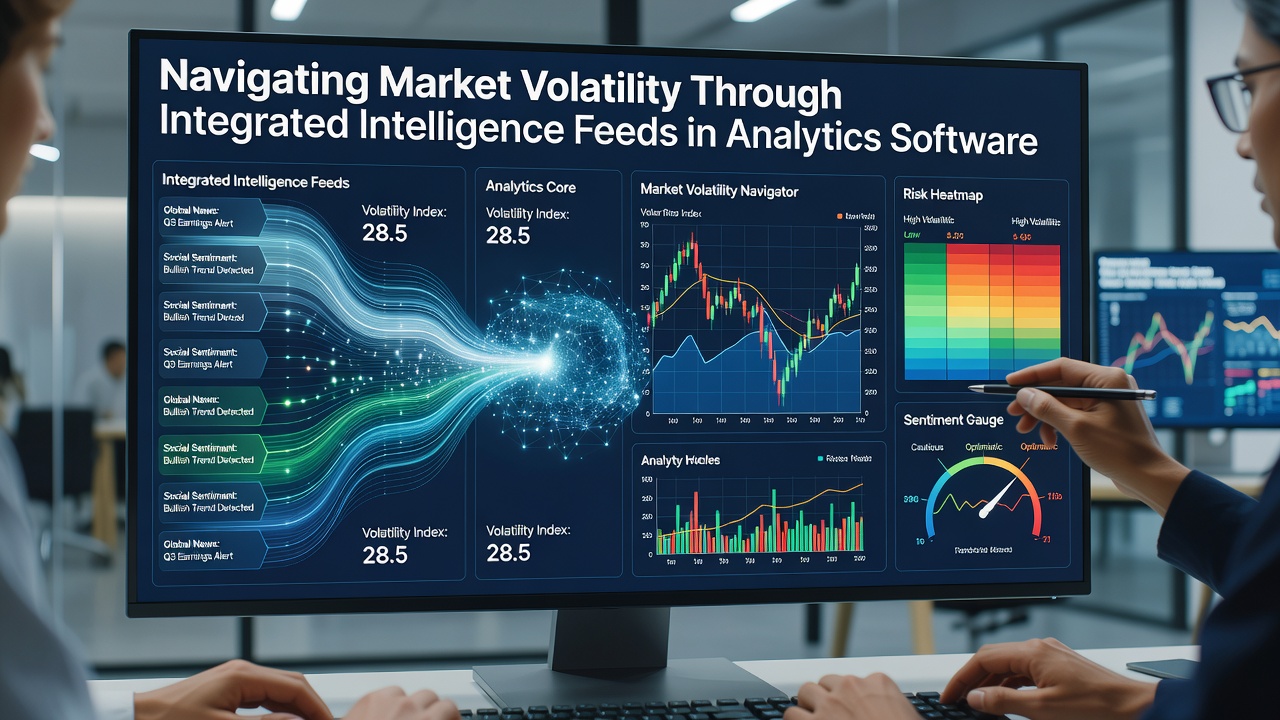
Training programs emphasize interpretation of feed outputs rather than raw data handling, since the software already performs initial cleansing and enrichment steps. Studies from the Bank of Canada indicate that firms combining traditional market data with alternative signals achieved more stable hedging ratios over multi-quarter periods compared with peers using conventional terminals alone. Integration also extends to regulatory reporting modules that automatically populate required disclosures when volatility thresholds are breached.
Technical Considerations and Data Governance
Latency management remains central because even brief delays in feed synchronization can distort risk calculations during flash events. Vendors address this through edge computing nodes that pre-process data closer to source exchanges, while encryption protocols and audit logs satisfy standards set by bodies such as the European Securities and Markets Authority. Scalability testing often involves simulated stress scenarios where thousands of feed updates arrive simultaneously, verifying that query performance holds under load. Organizations that maintain separate governance frameworks for each data category report fewer reconciliation issues when feeds originate from both public and licensed providers.
Conclusion
Integrated intelligence feeds continue to evolve as analytics software incorporates additional unstructured sources and refines scoring models. Organizations that align these capabilities with existing risk frameworks gain visibility into emerging patterns without expanding headcount proportionally. Ongoing developments in October 2026 and beyond will likely center on tighter coupling between feeds and automated execution engines, provided governance standards keep pace with technological capacity.